Designing a cultural heritage experience for more than 10k Taino descendants
Project in execution
Context
Casa Areyto promotes the Taíno language and culture. This culture has been lost for about 500 years and everyday their community work to revitalize their heritage and traditions. Within this project we created a new space where young descendants and people interested in the Taíno culture can learn more about it through an immersive experience.
Timeline
Phase 1
27/MAY/2024 - 09/AUG/2024
Phase 2
09/SEP/2024 - 18/NOV/2024
Phase 3
13/JAN/2025 - Present (May)
My Role
UX Designer - Phase 2
UX Researcher - Phase 3
Teams
PMs x5
Leads x4
UX Design x7
UX Research x7
DEV x5
UXW x4
QA Leads x2
3D Artist x2
Phase 2
For the second part of this project, the whole team was asked to continue building on top of the already started site from phase 1, but as soon as we started we realized that we were building on assumptions! 👻
What now? no research? no ideation?
Research team was able to start operations earlier than the rest of the teams, but us as the design squad we couldn't wait for insights to start working so we went hands on and start getting the right mindset preparing the team to be ready when insights would come up.
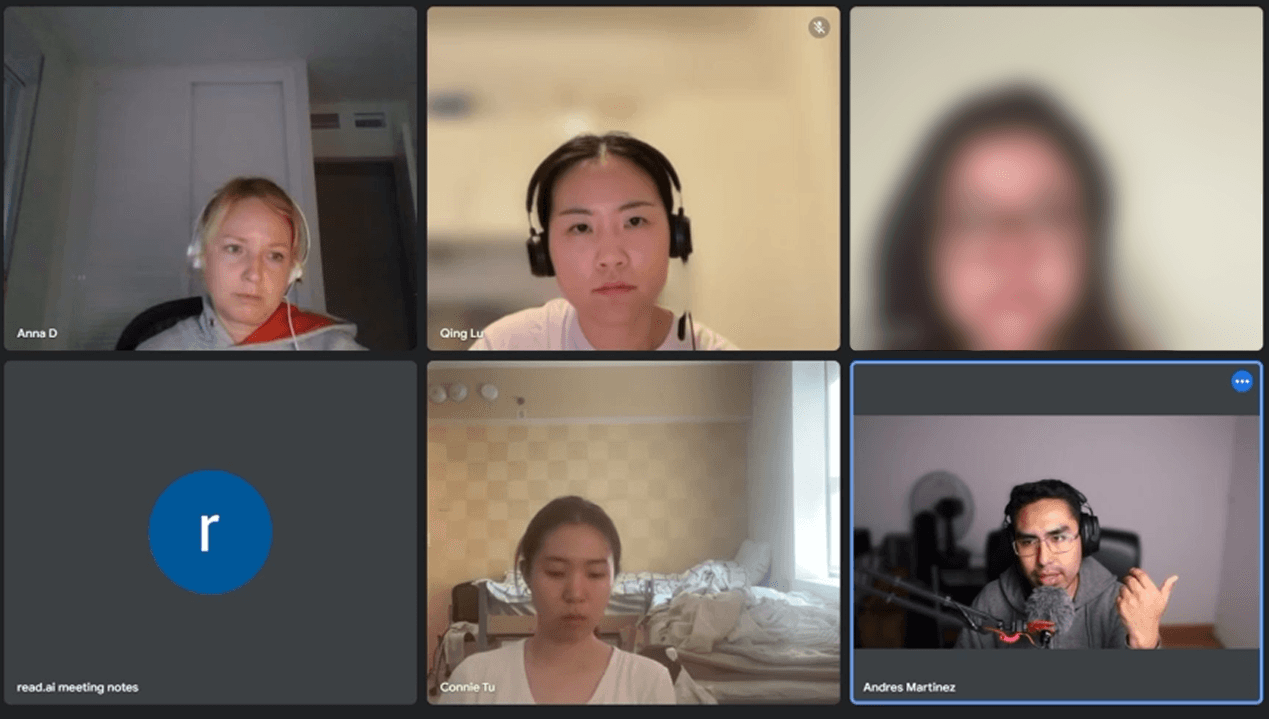
Insights for the next sprint were arriving
Community interaction 💡
Users wanted to interact with people interested in the culture within a forum or interactive spaces on internet.
Inclusive Community 💡
Users showed a desire for better representation of women leaders and LGBTQ+ in Taino related spaces.
Motivation to Learn 💡
Users have shown a high interest in reclaiming and strengthen their roots as a Taino identity.
Green light for the design team
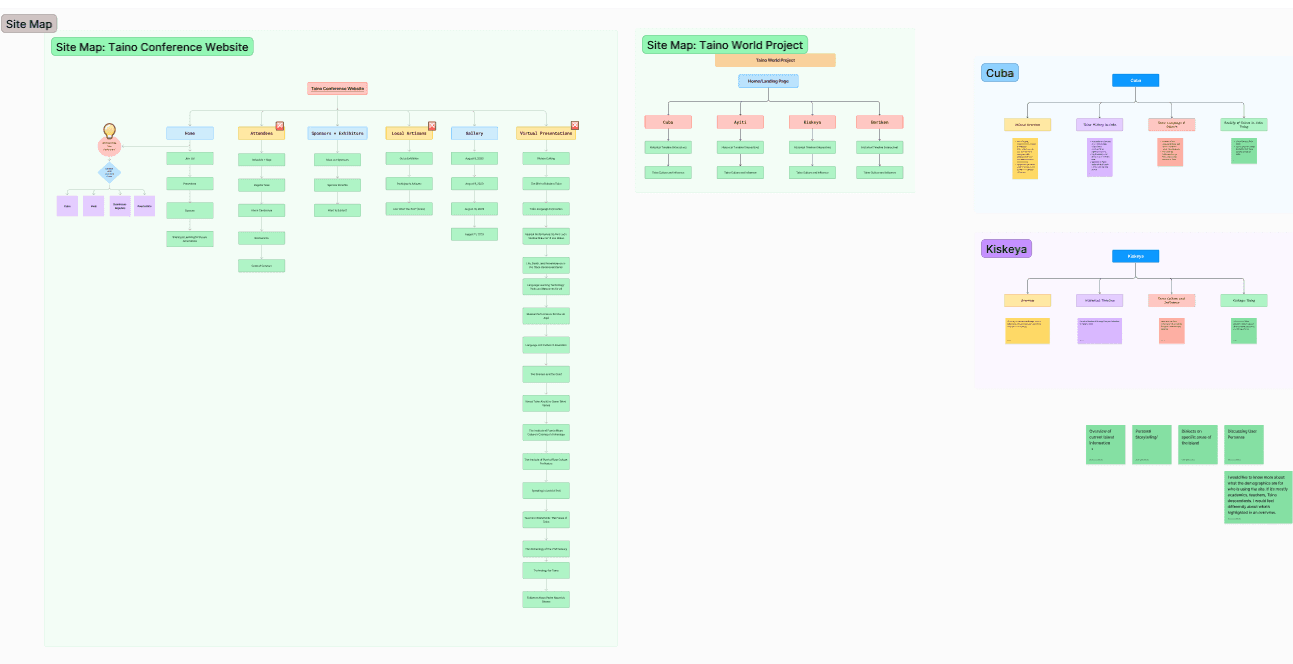
After 2 weeks exploring tools and preparing canvases for the work, we started to synthesize information provided by User Research team. We had a blind spot since the requirements from the clients side was not ready yet, we had a staring point (the brief) so we took the decision to start and iterate if necessary.
After meetings and definition
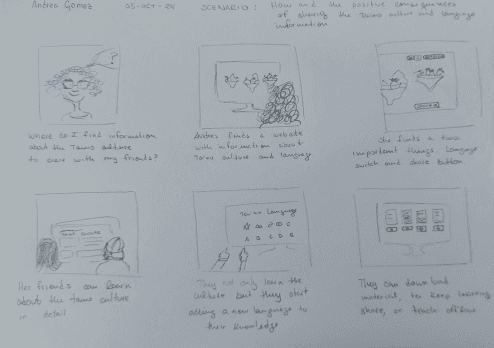
After scoping our work we were ready to start ideating straight in the canvas producing multiple ideas and from those we would select the best that matched as its best the user needs and client requirements but still, we were missing the final requirements.
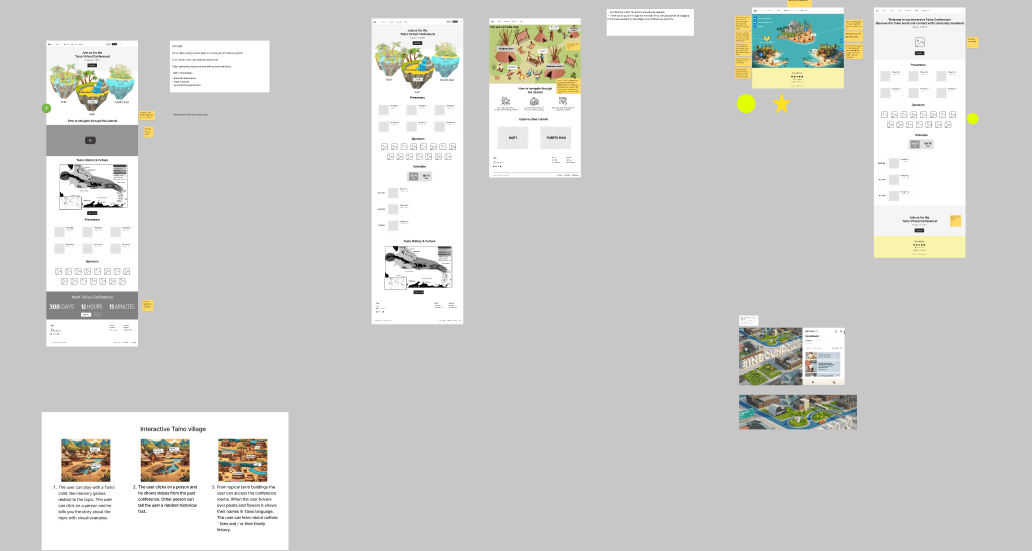
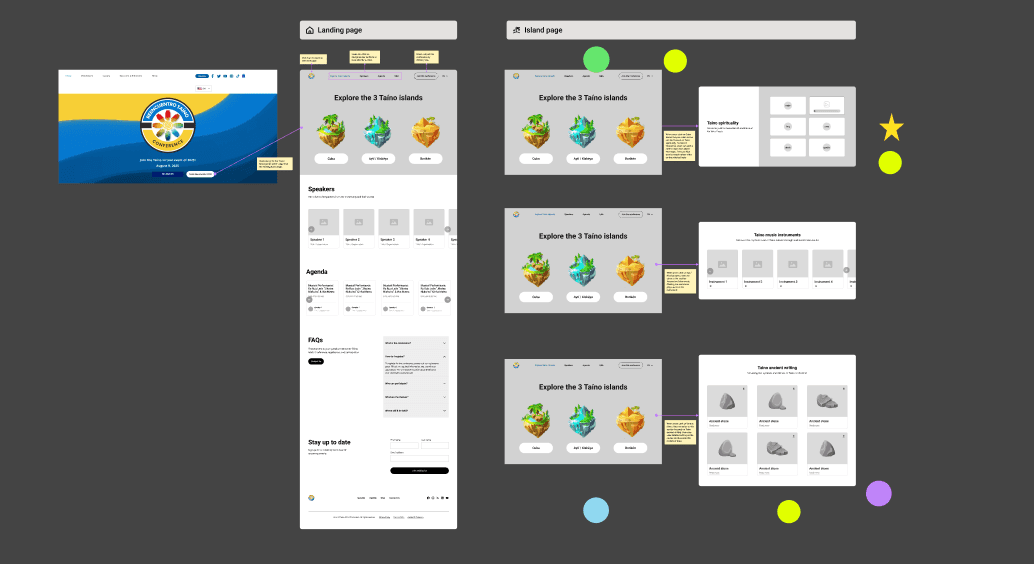
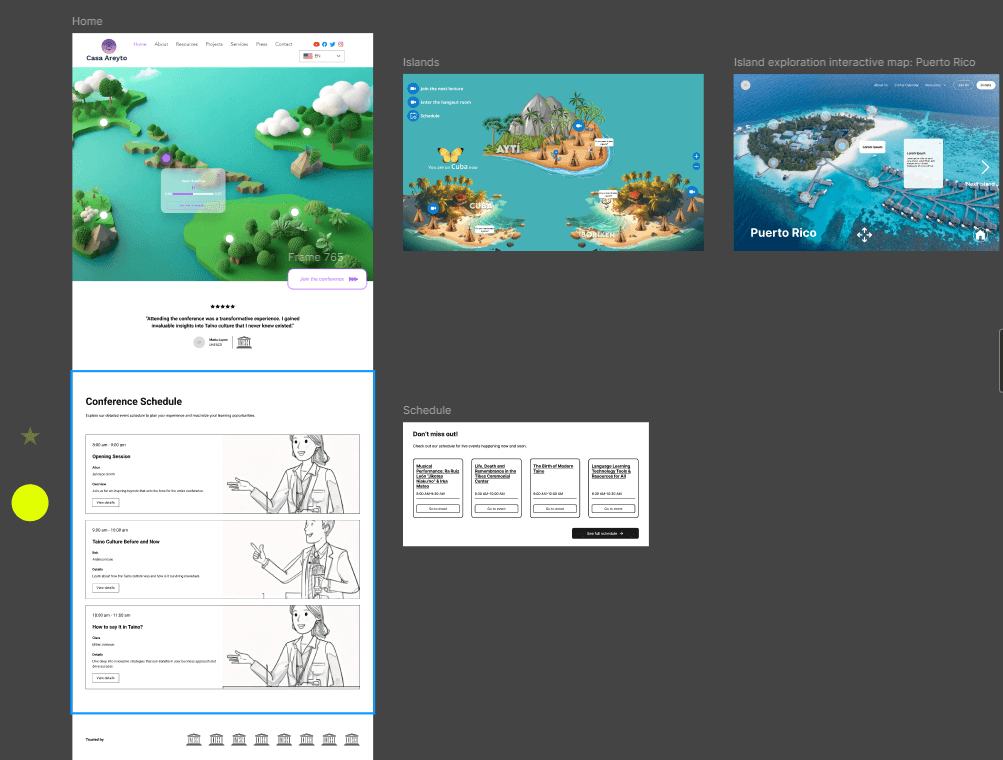
Final Mid-Fidelity wireframes for phase 2
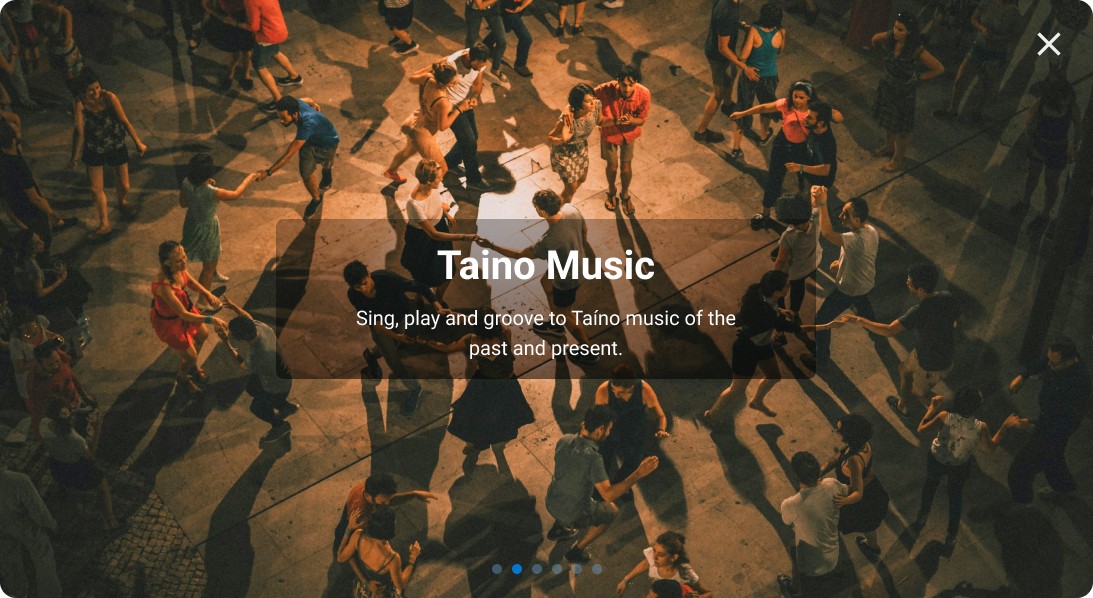
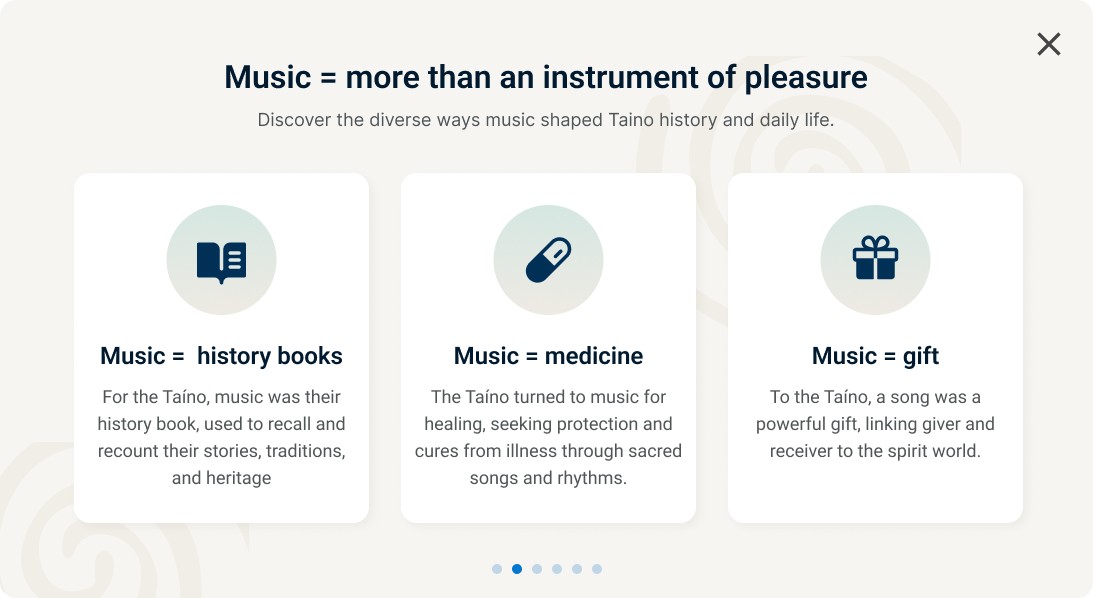
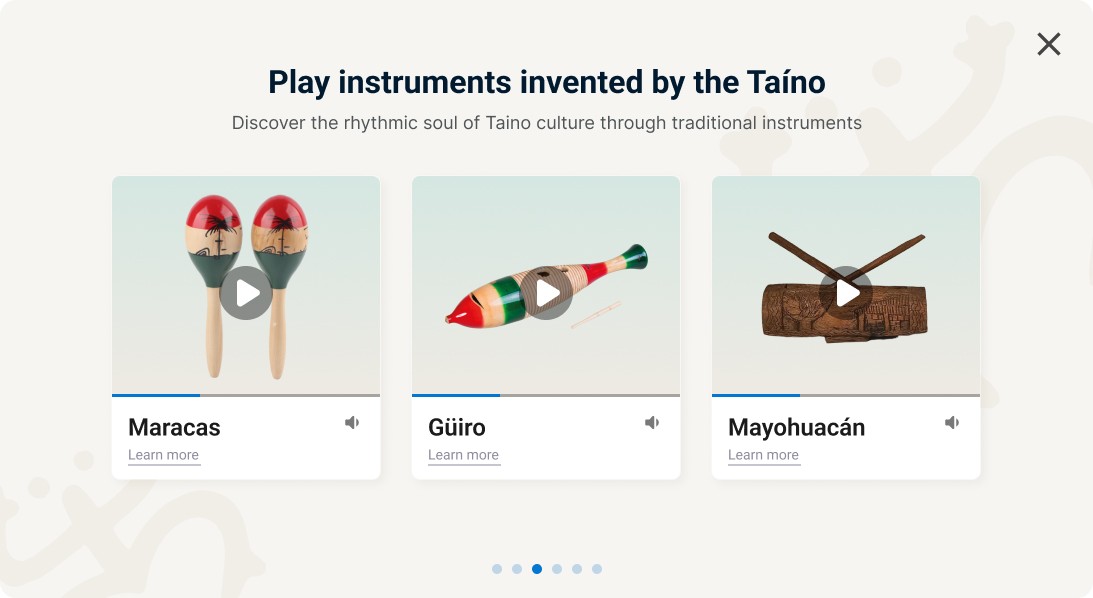
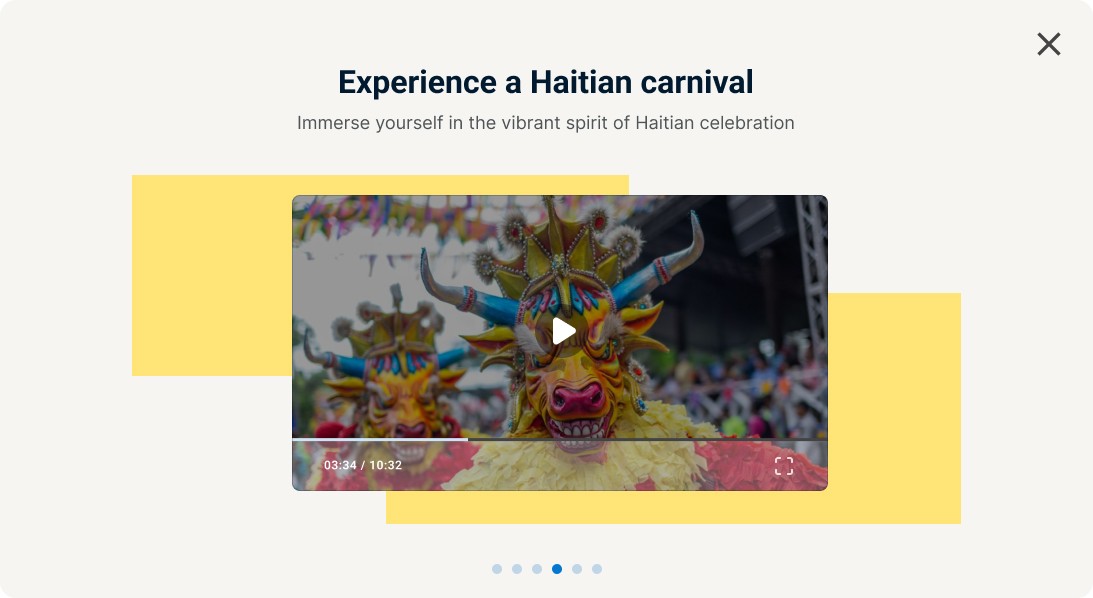
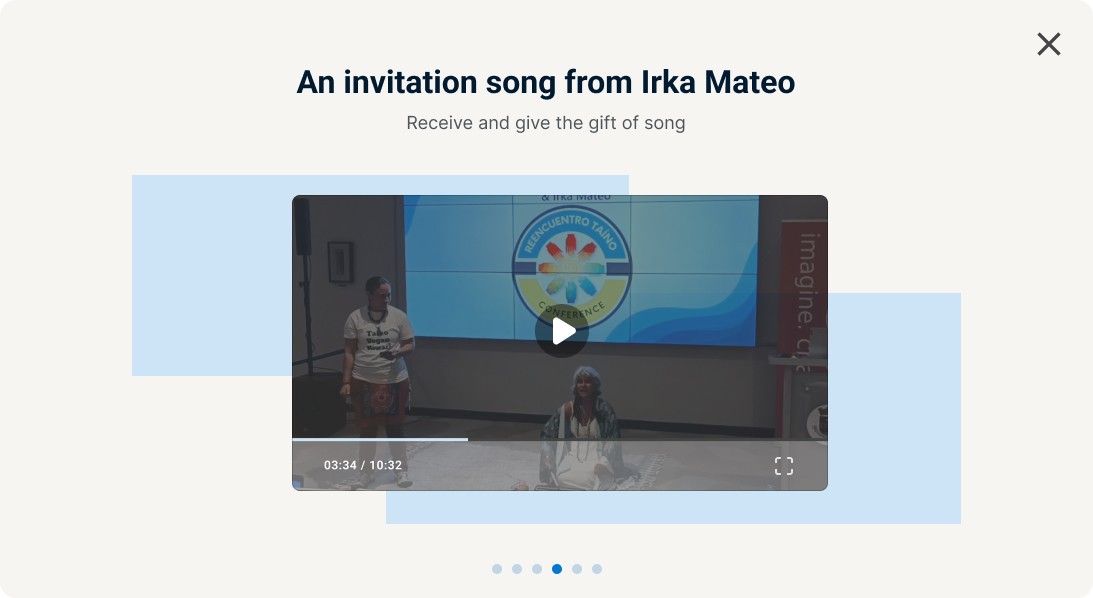
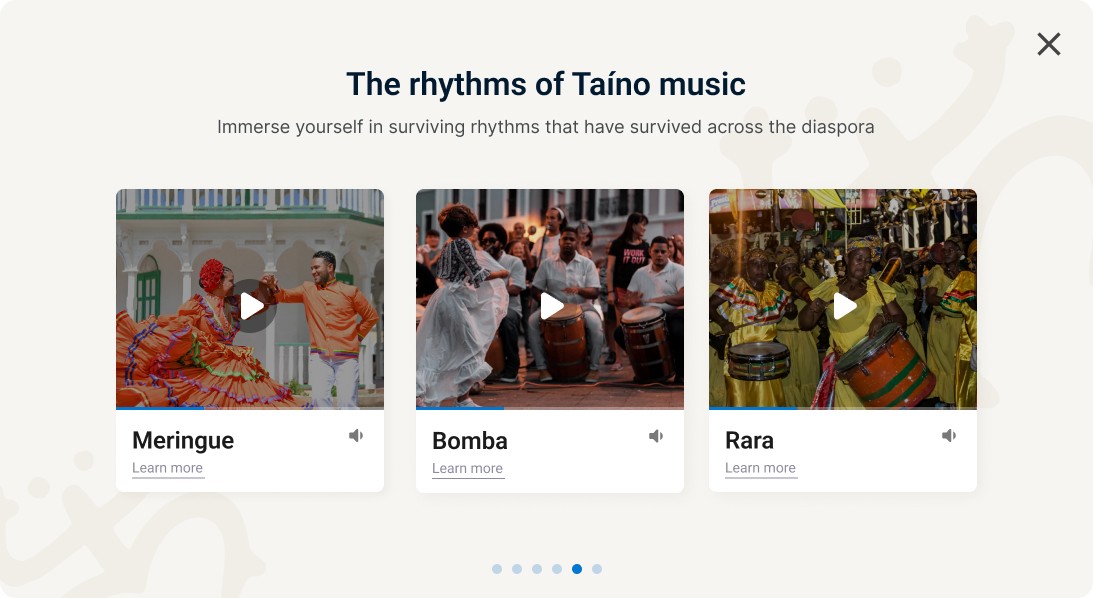
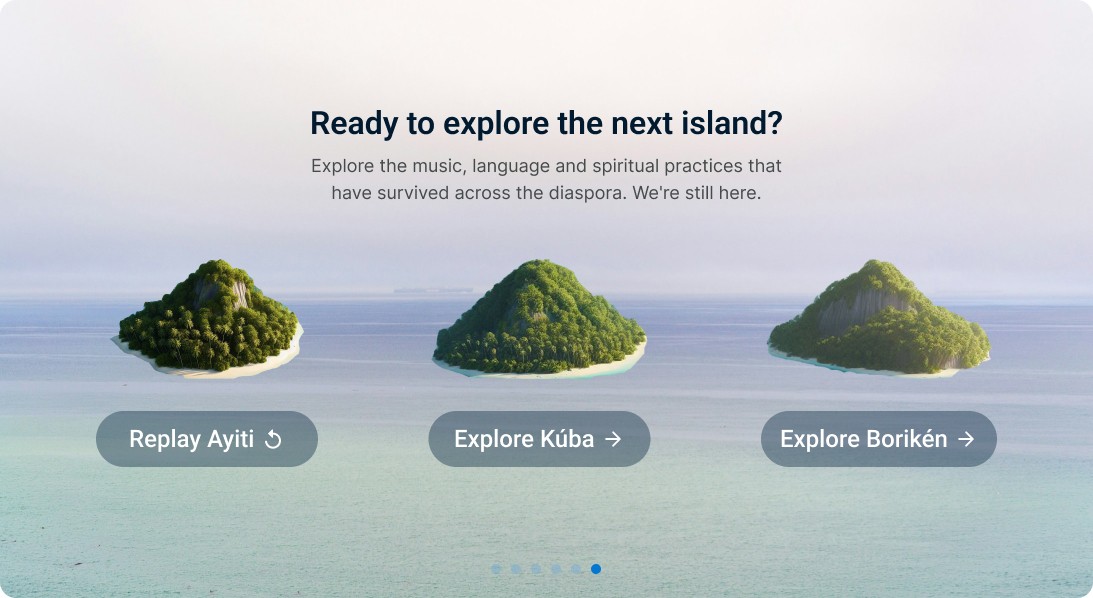
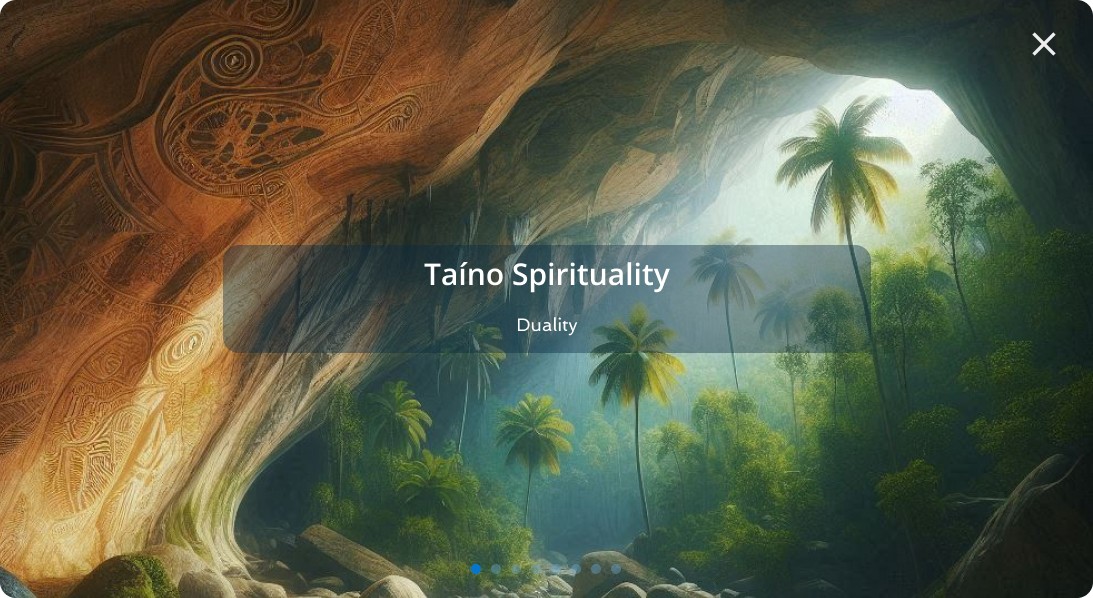
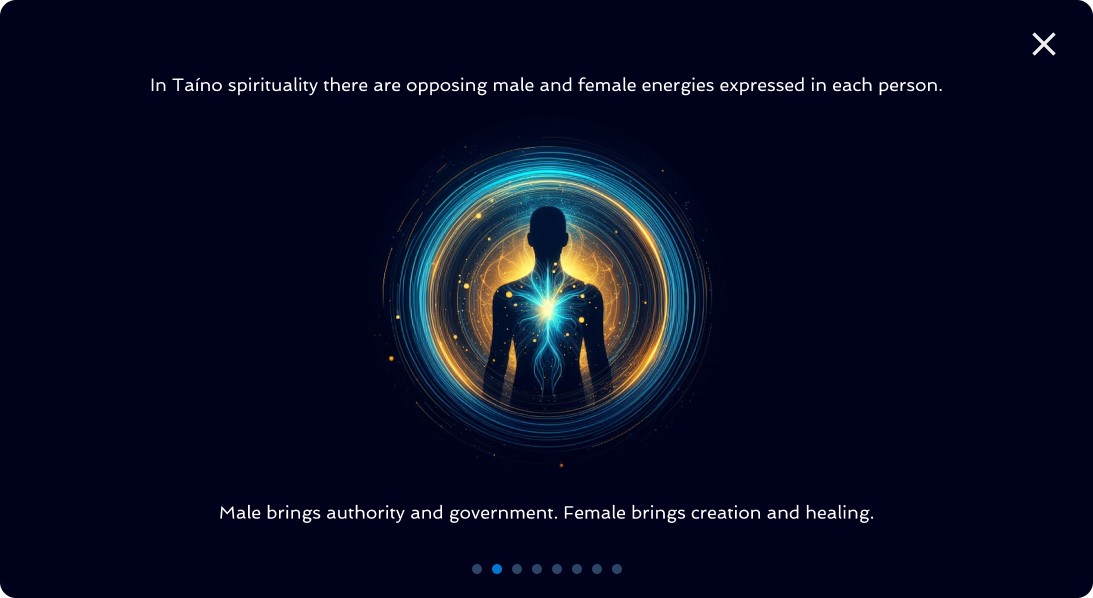
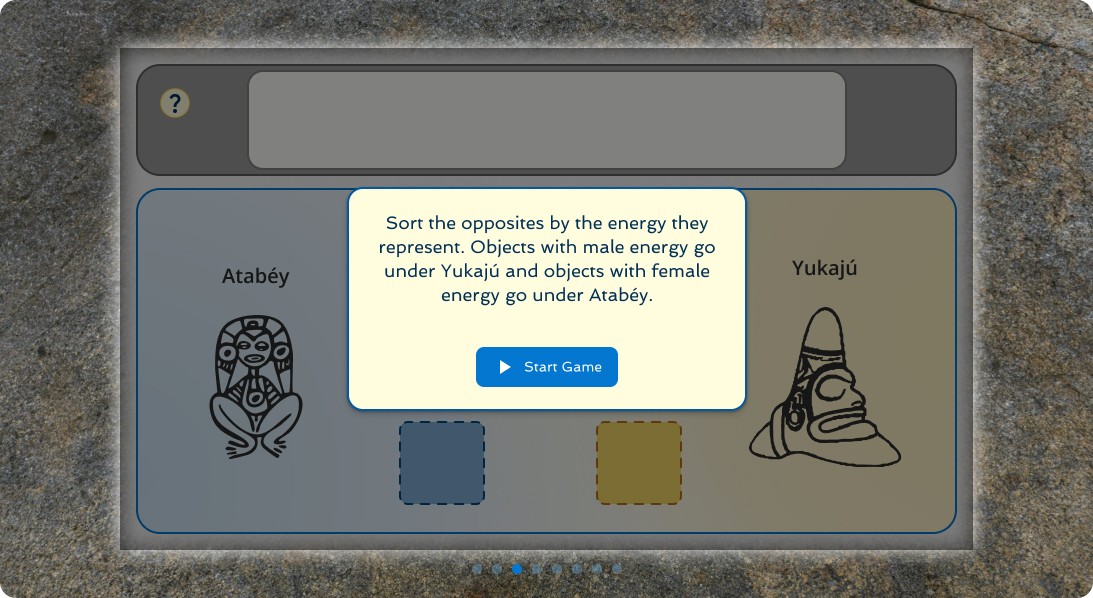
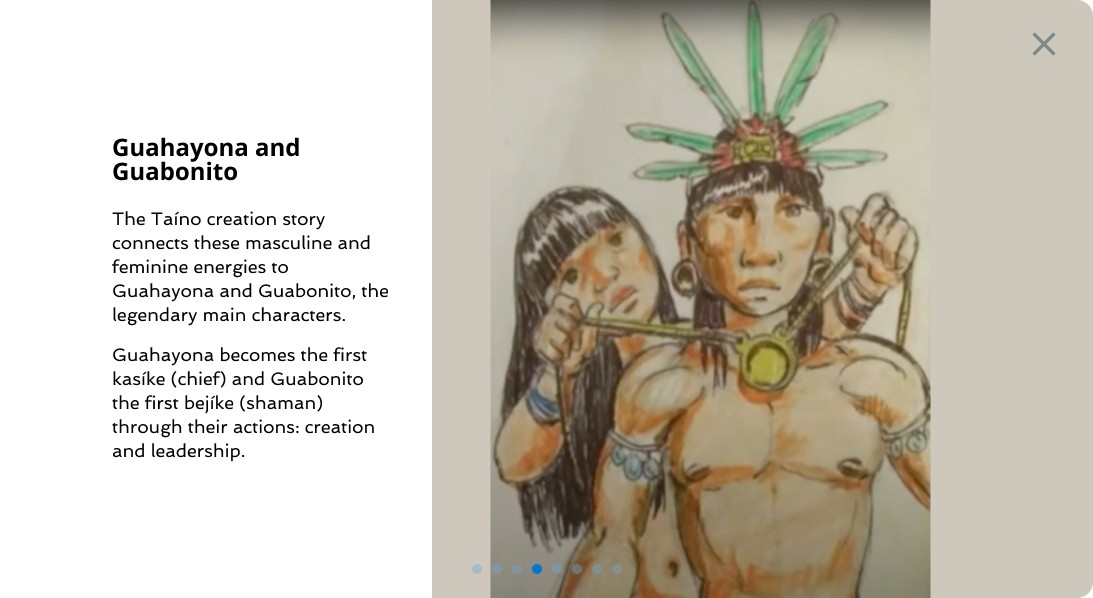
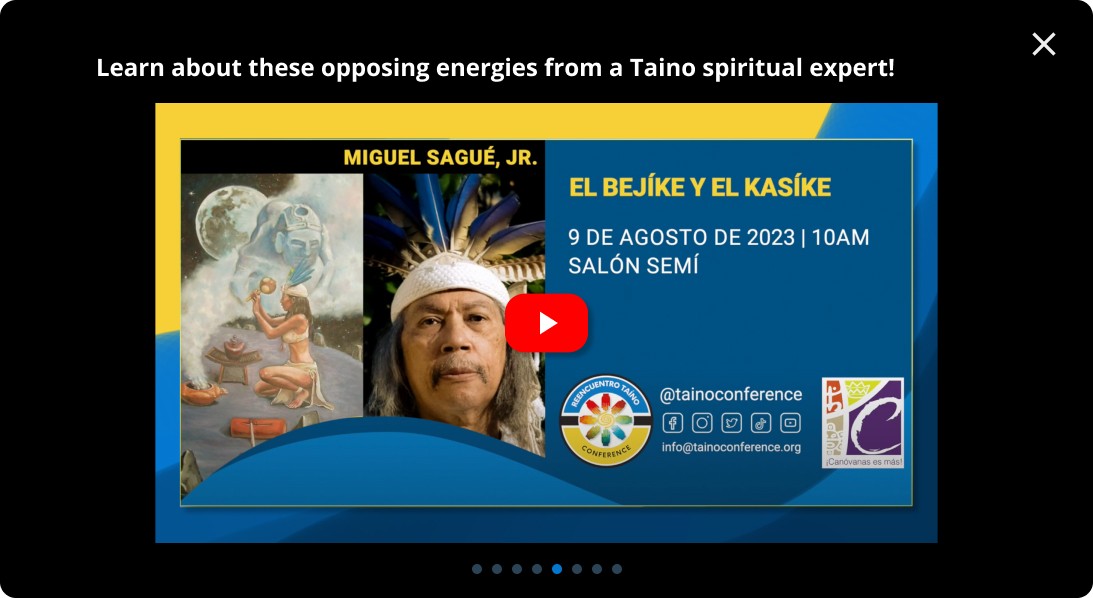
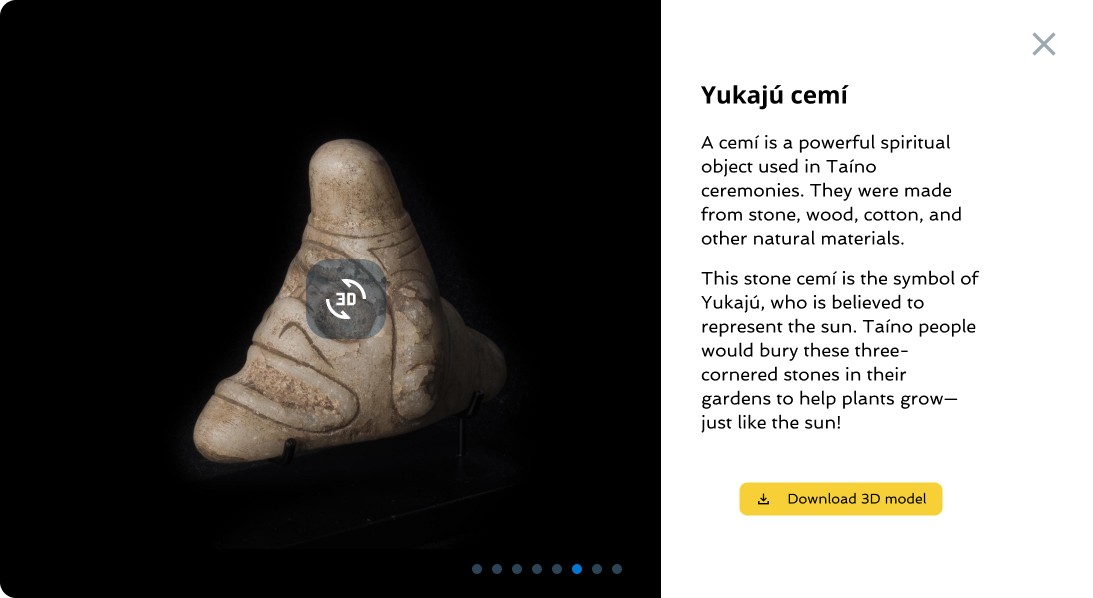
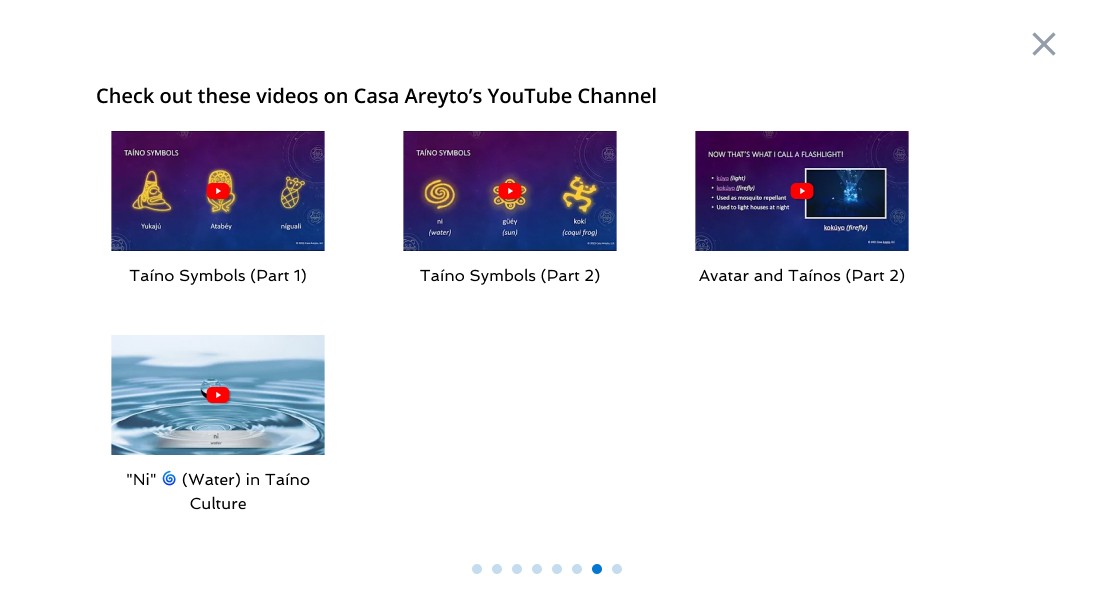
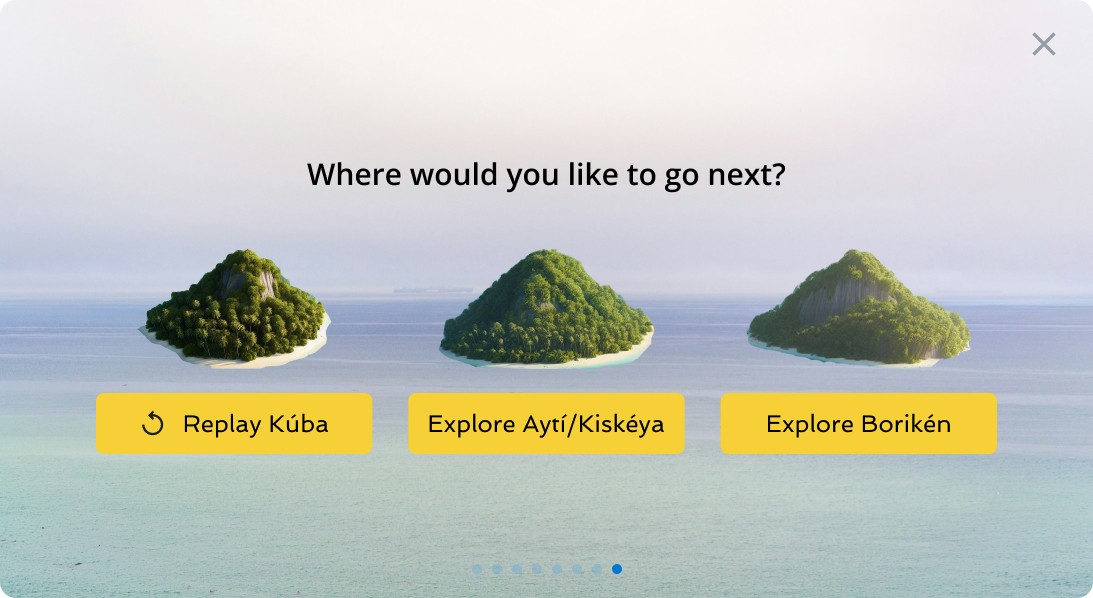
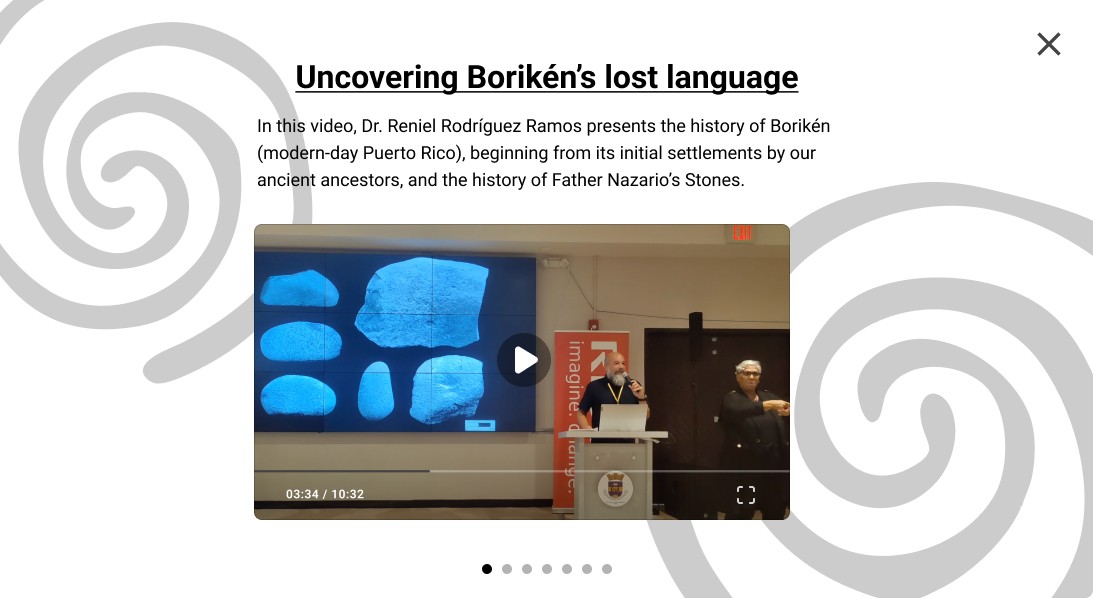
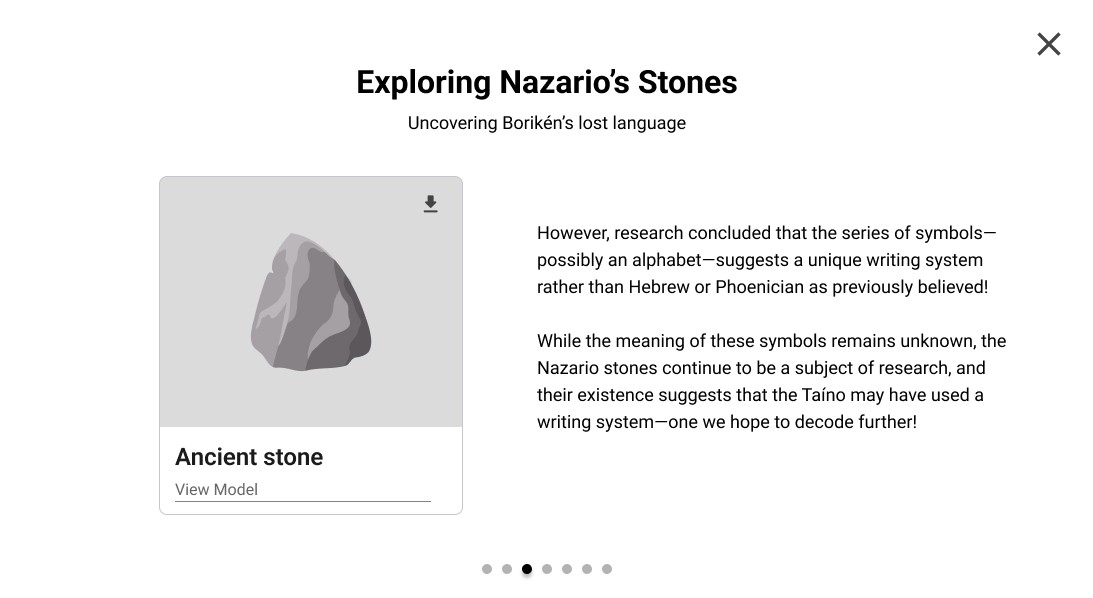
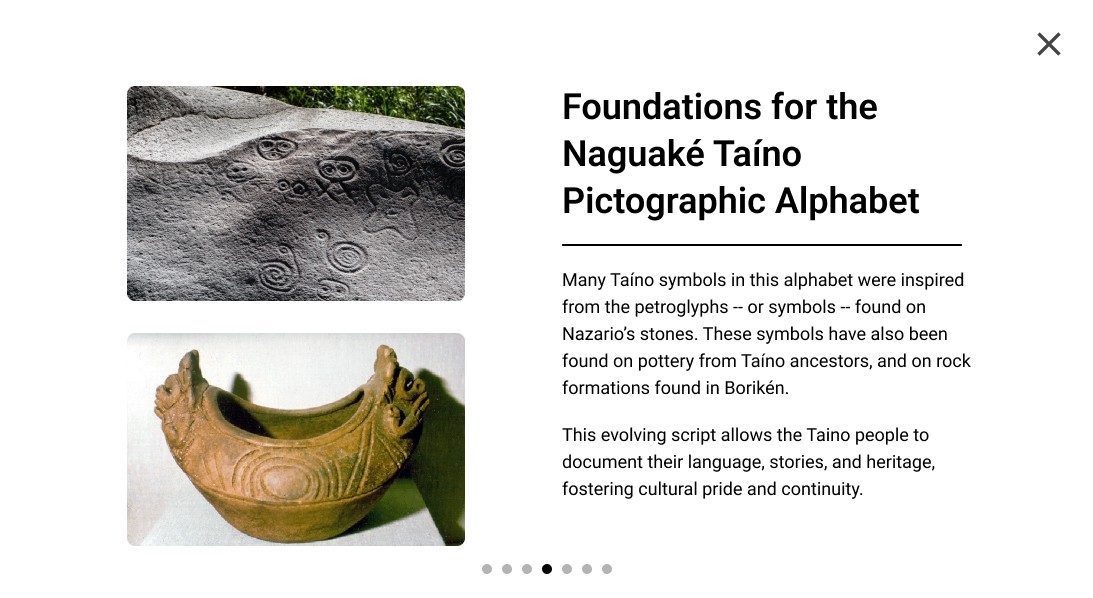
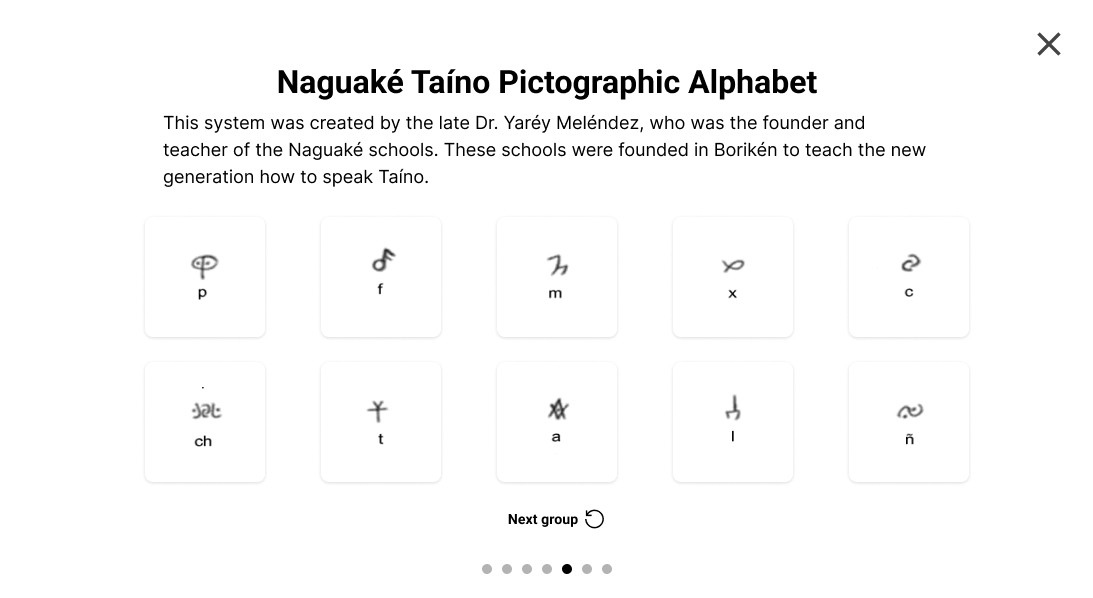
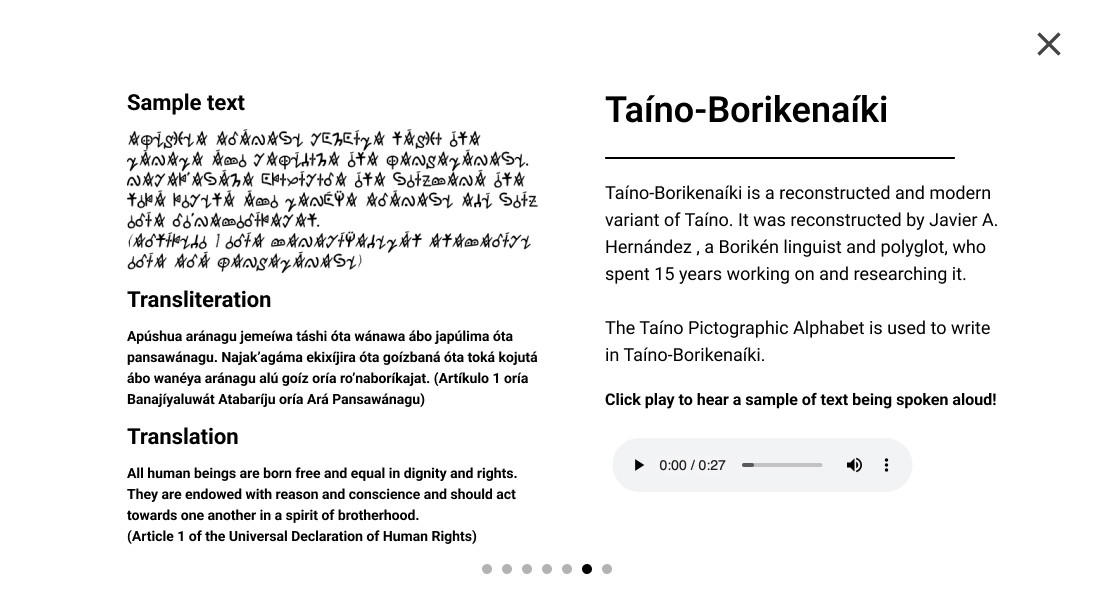
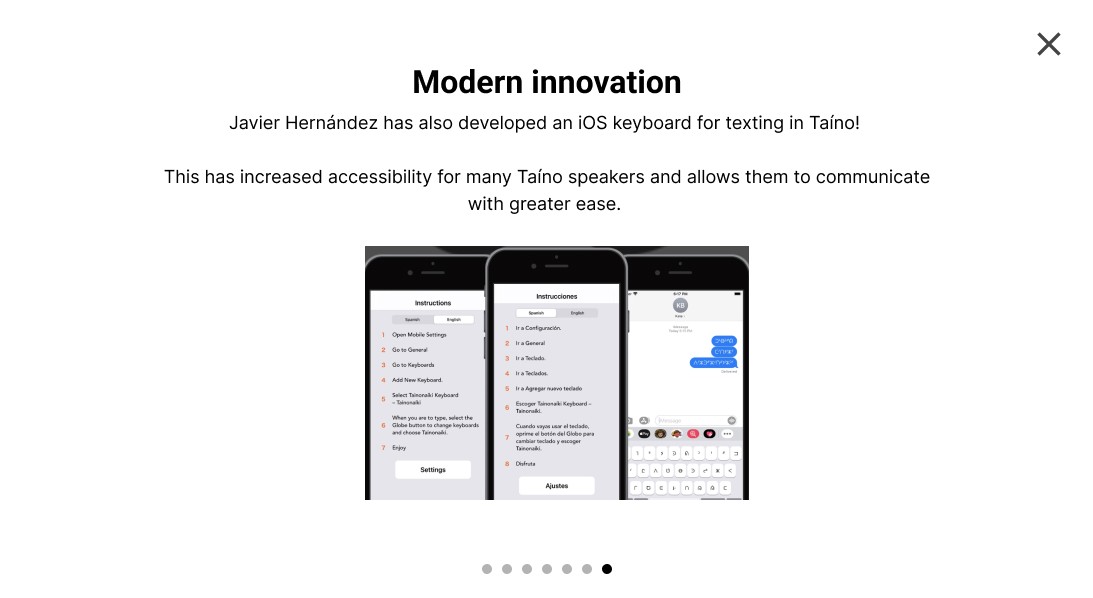
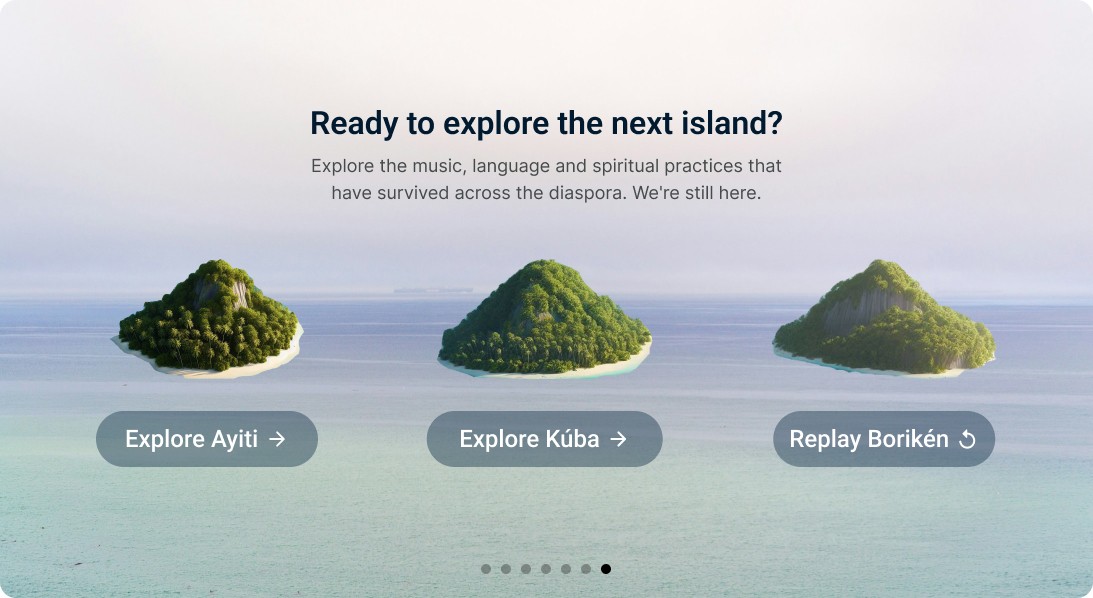
We were closing with a concept that would take an average website to a more immersive experience, with the use of modals for the interaction of the participants. Made tough decisions to get rid of some communication spaces like forums due to budget limitations on the client side. We delivered a mid-fidelity prototype that would be a solid starting point for phase 3.
Phase 3
This time I have decided to wear the research hat, so for the next sprints I would be part of the research team where we tested to known the truth about the mid-fi wireframes.
Avoiding biased results
It was time to evaluate the work done in the 2nd phase, for that we decided to go for a first moderated testing on a refined prototype by design team.
Before continuing we find out that previous research phases were:
Phase 1 : build in assumptions
Phase 2 : "biased" design
Most of the people who have participated for the research in phase 2 were friends of the client that it is a good starting point but we wanted to reach people that had nothing to do with the client. We recruited 6 new users out of 16 survey responses.
User thoughts and behaviors - The first disappointment
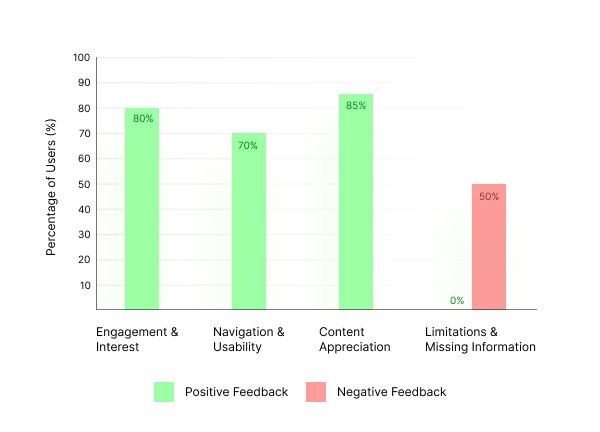
Despite the overall positive feedback on technical aspects of the project we discovered that users are not happy with the information shared.
"I expected to hear pronunciation guides for the language section, but they were missing."
"It would be better if the site had clearer categorization to distinguish cultural sections more effectively."
User satisfaction analysis
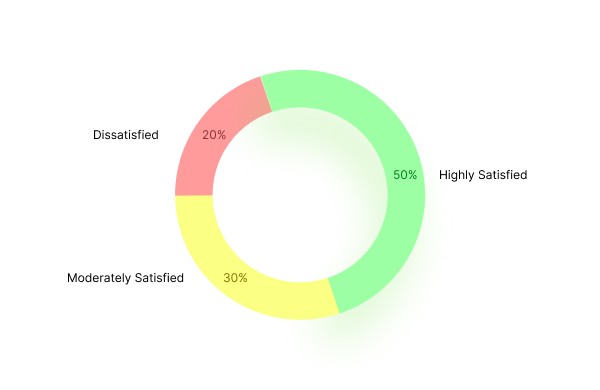
After the first result we wanted to know more and as expected only 50% of the users were satisfied with the last prototype.
"It seems mostly conference-focused, but I was expecting more static content about taino culture for broader learning"
Frustration Analysis vs User Delight
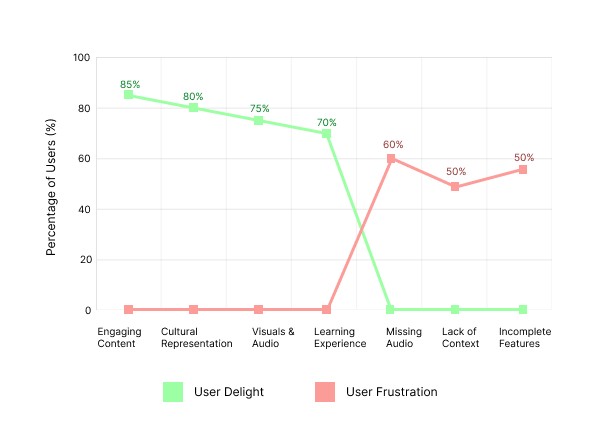
We identified common focus themes and we confirmed high frustration of the 60% on the culture information.
"I love the symbols, but I wish there was more explanation about their meanings and significance."
"It would be great to include more context on how Taino spirituality influenced daily life."
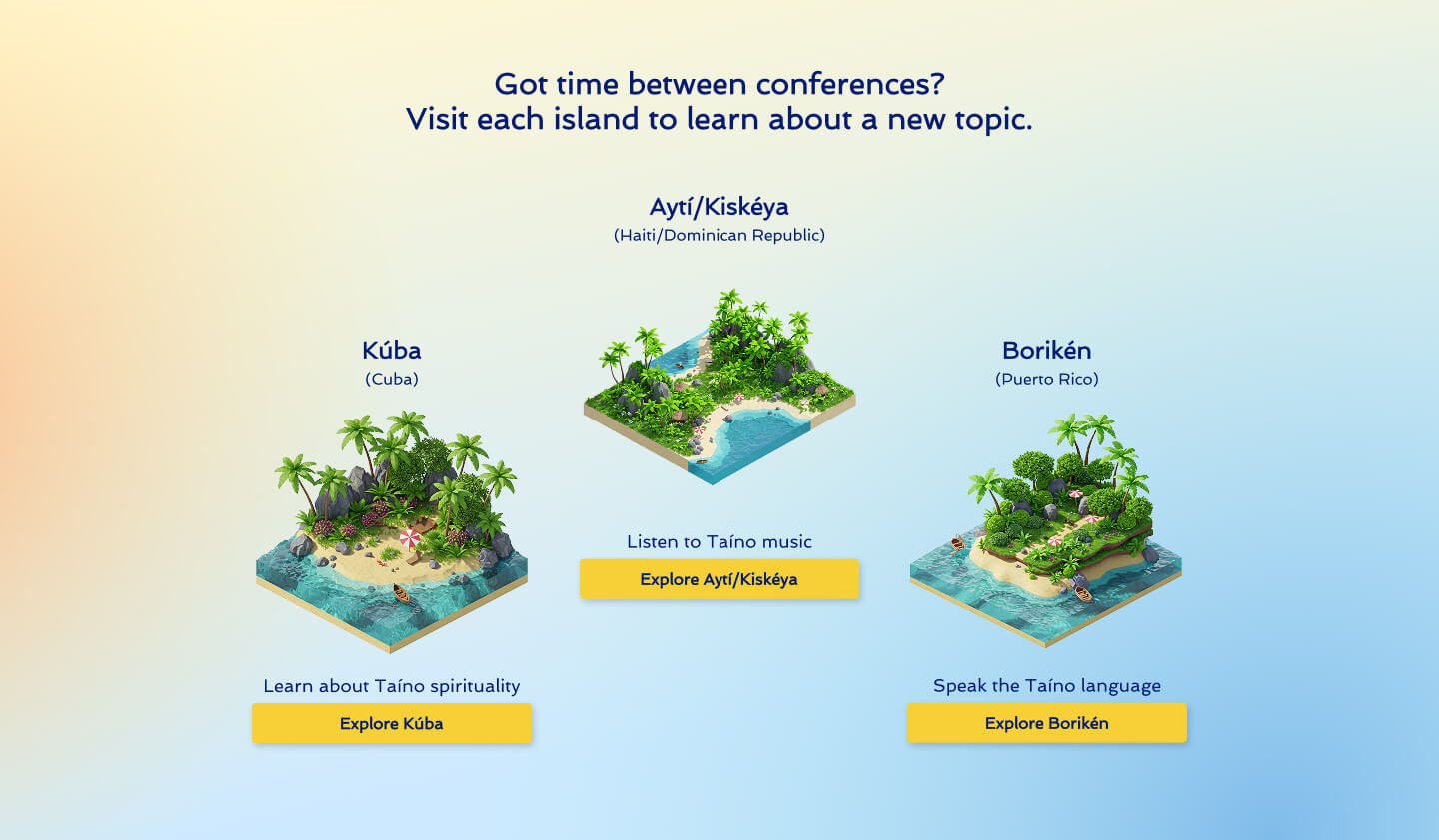
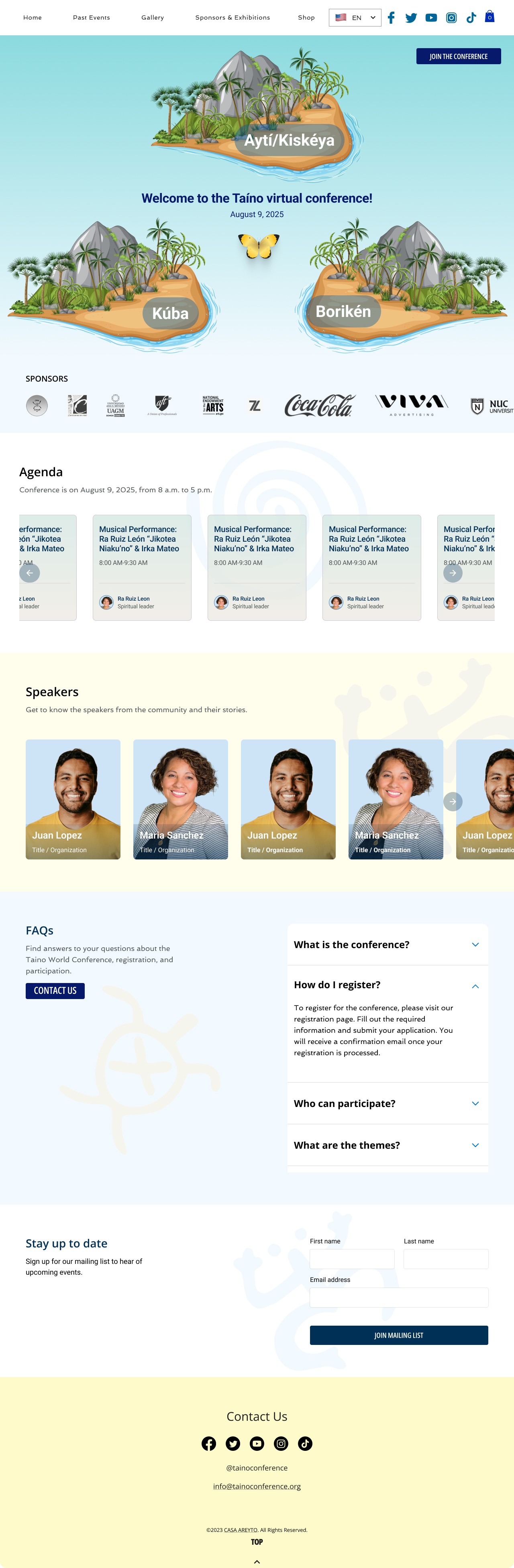
⚠️ This first insight took us to iterate over the modal idea, so now we would be working only on vertical scrollable information for each of the 3 islands.
Working on weak points
Design team came up with a new landing page that soon we would need to test, client budget have changed the direction of the project, development constrains were bigger than expected. Rapidly we prepared a second test but since we were running out of time we opted for unmoderated tests.
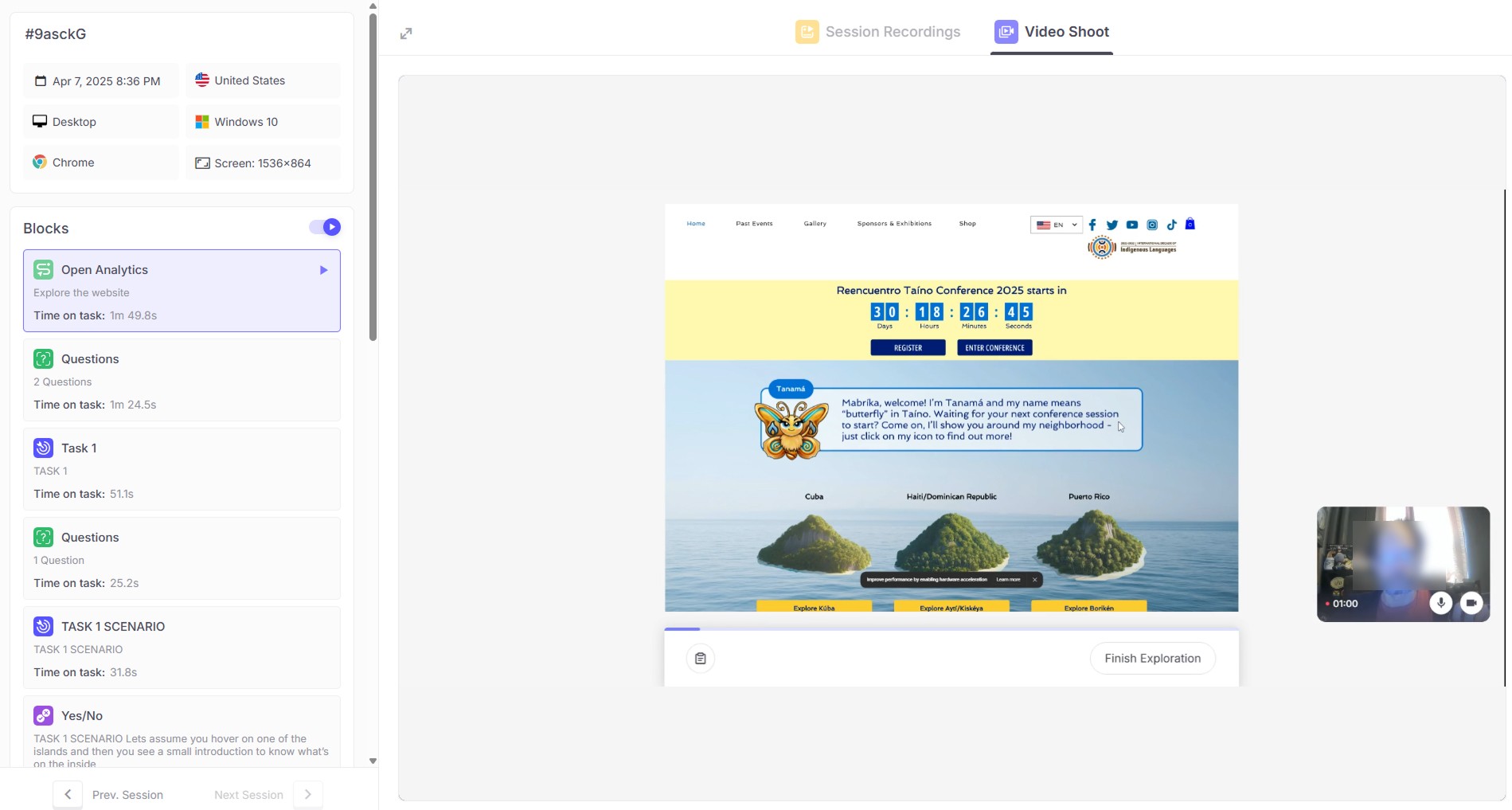
7 themes emerged
We had recruited 13 participants from the previous screening survey and proceeded to test one last time the landing page. From this test 7 common themes emerged from activity shown by the users.
Navigation Clarity and Interaction Pathways
Island structure & tooltip use
Mascot representation (Tanama)
Content accessibility (Agenda, FAQs, Program).
Sponsor Section Comprehension & Alignment
Cultural Authenticity and storytelling
Visual Hierarchy & design
Last insights we were able to get
We analyzed the data and focused on qualitative data. Approach that let us understand more about surface behaviors as well as deeper cultural and emotional insights in users from the interaction with the prototype.
💡Users understand the general navigation structure but seek improvements for better clarity and less clutter.
💡While the island metaphor is engaging, additional navigational aids like maps and clearer spatial references would improve user orientations and context.
💡Users want to share content more easily, suggesting the need for downloadable formats or shareable links.
💡Sponsor structure needs clearer communication and ethical alignment.
💡Opportunity to enhance visual design, educational content and representation of sacred geography for a more culturally grounded experience.
💡Streamlining the design, especially by reducing unnecessary elements like sticky banners, making design choices that align with cultural expectations.
We analyzed the data and focused on qualitative data. Approach that let us understand more about surface behaviors as well as deeper cultural and emotional insights in users from the interaction with the prototype.
🏗️ Design and development team are working and we are waiting for the final product.